


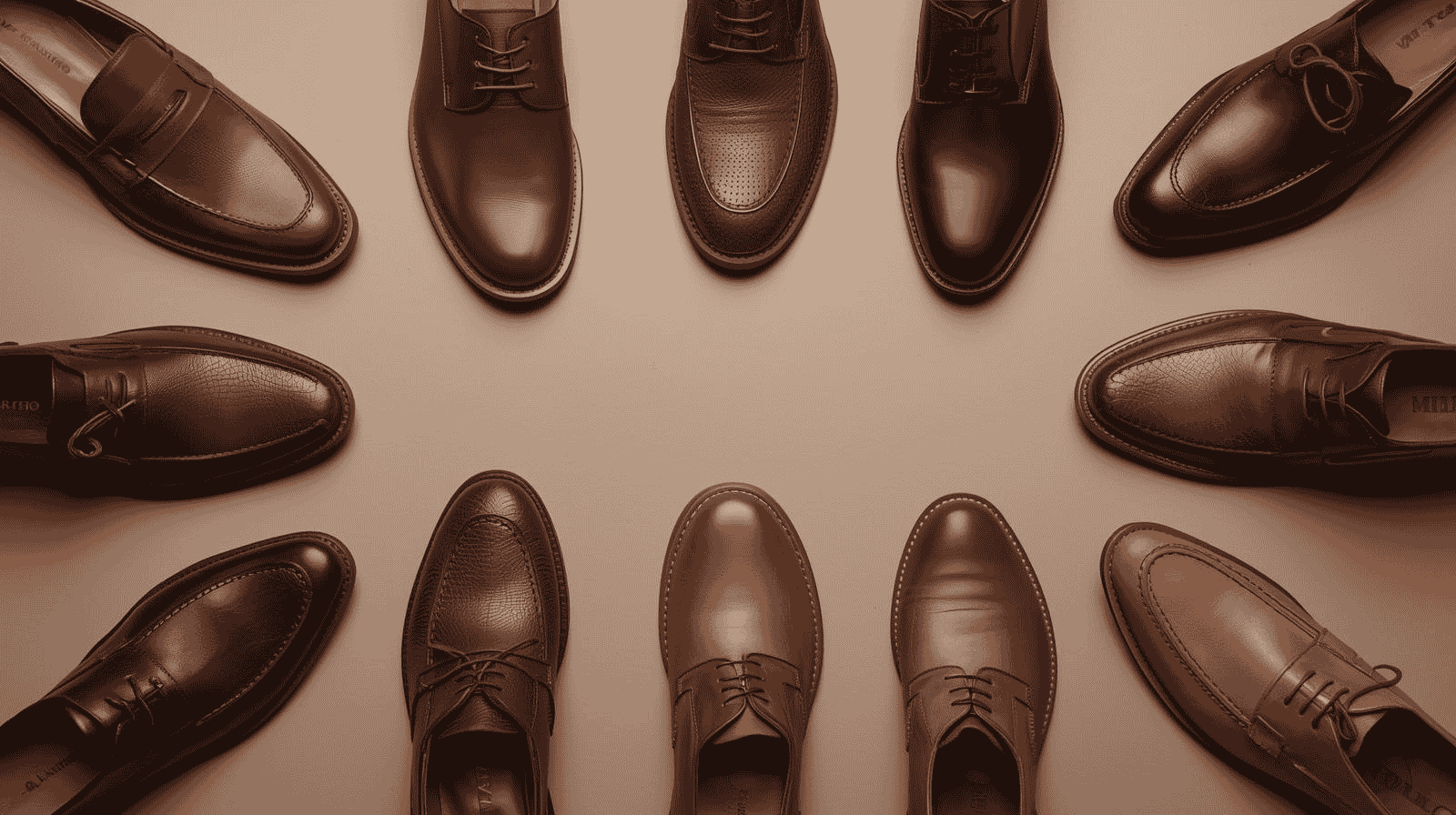
Introduction to Leather Shoes
Leather shoes have long been associated with craftsmanship, elegance, and durability, making them one of the most reliable wardrobe investments across cultures and generations. Unlike trend-driven footwear made from synthetic materials, leather shoes are rooted in tradition, function, and artistry. Each pair is shaped, stitched, and finished to offer both comfort and character—qualities that only improve with time.
One of the defining features of leather shoes is their ability to adapt to the wearer. As leather softens and molds to the foot, the shoes become more comfortable with use, unlike artificial materials that crack or collapse. This makes leather footwear especially valued for long working hours, travel, and occasions that demand both style and endurance.
Beyond functionality, leather shoes carry a visual authority. Whether polished to a mirror shine or worn with a natural patina, they convey refinement without excess. From formal dress shoes to relaxed casual styles, leather footwear seamlessly bridges the gap between professionalism and personality.
Leather Types and Textures: Understanding What You’re Wearing
The quality of a leather shoe is determined first and foremost by the type of leather used. Understanding these materials helps in choosing shoes that match your lifestyle, climate, and usage needs.
Full-Grain Leather
- Full-grain leather is the highest quality leather available because it retains the hide’s natural surface without sanding or correction.
- The visible pores and natural markings give each shoe a unique appearance, ensuring no two pairs age the same way.
- Over time, full-grain leather develops a rich patina, enhancing its depth and character rather than diminishing it.
This leather is ideal for premium dress shoes, boots, and long-term wardrobe staples.
Top-Grain Leather
- Top-grain leather undergoes light sanding to remove surface imperfections, resulting in a smoother and more uniform look.
- While slightly less breathable than full-grain leather, it offers excellent durability and a refined finish.
- It is often used in formal and semi-formal shoes where visual consistency is prioritized.
Top-grain leather strikes a balance between aesthetics and practicality.
Genuine Leather
- Genuine leather is made from the lower layers of the hide and is often heavily processed to improve appearance.
- It is more affordable but lacks the durability and aging qualities of higher-grade leathers.
- Over time, it may stiffen or peel if not properly maintained.
This type is best suited for occasional wear rather than daily use.
Suede Leather
- Suede is created from the underside of the hide, giving it a soft, velvety texture.
- Its matte finish makes it visually relaxed and ideal for casual footwear.
- However, suede is sensitive to moisture and stains, requiring careful maintenance.
It’s perfect for loafers, desert boots, and informal settings.
Nubuck Leather
- Nubuck leather is made from the outer layer of the hide but sanded lightly to create a soft, brushed texture.
- It is stronger than suede while offering a similarly refined, matte appearance.
- Nubuck requires protective sprays to prevent staining and discoloration.
A premium choice for upscale casual shoes.
Patent Leather
- Patent leather features a high-gloss, lacquered finish that immediately stands out.
- It is less breathable and flexible but unmatched in formal appeal.
- Typically reserved for evening wear, weddings, and black-tie events.
Patent leather shoes are statement pieces rather than everyday wear.
Different Types of Leather Shoes (10 Essential Styles)
1. Oxford Leather Shoes
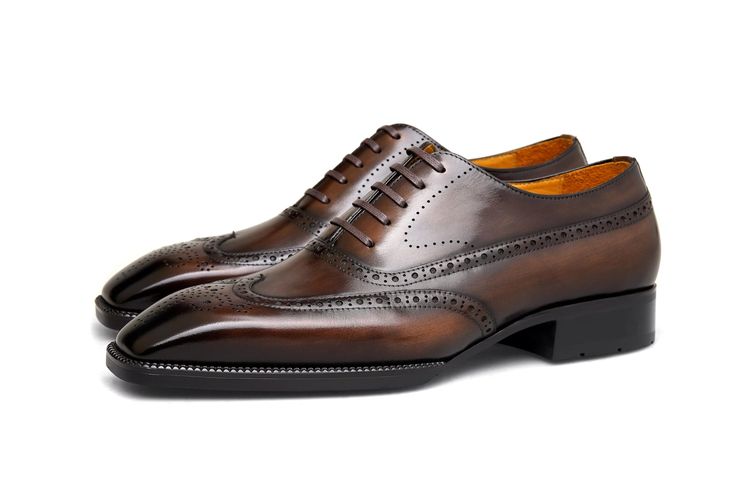
- Oxford shoes are defined by their closed-lacing system, where the eyelets are stitched under the vamp.
- This construction creates a sleek, streamlined profile that looks sharp and formal.
- Oxfords are traditionally worn with business suits, tuxedos, and formal attire.
They are considered the gold standard of dress shoes.
2. Derby Leather Shoes
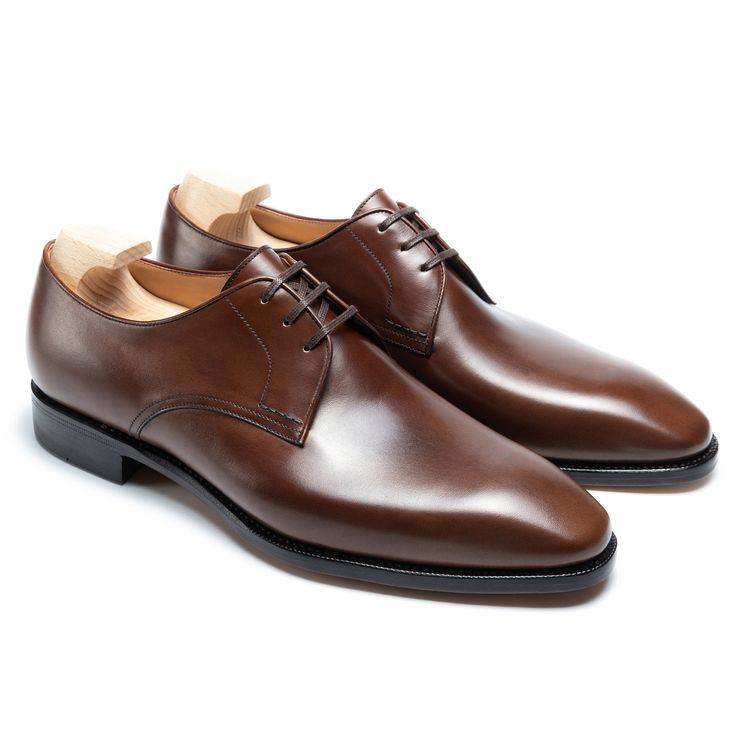
- Derby shoes feature open lacing, offering a more relaxed and adjustable fit.
- This makes them more comfortable for people with wider feet or high insteps.
- Their versatility allows them to transition seamlessly from office wear to smart casual outfits.
Derbies balance comfort with polish.
3. Brogue Leather Shoes
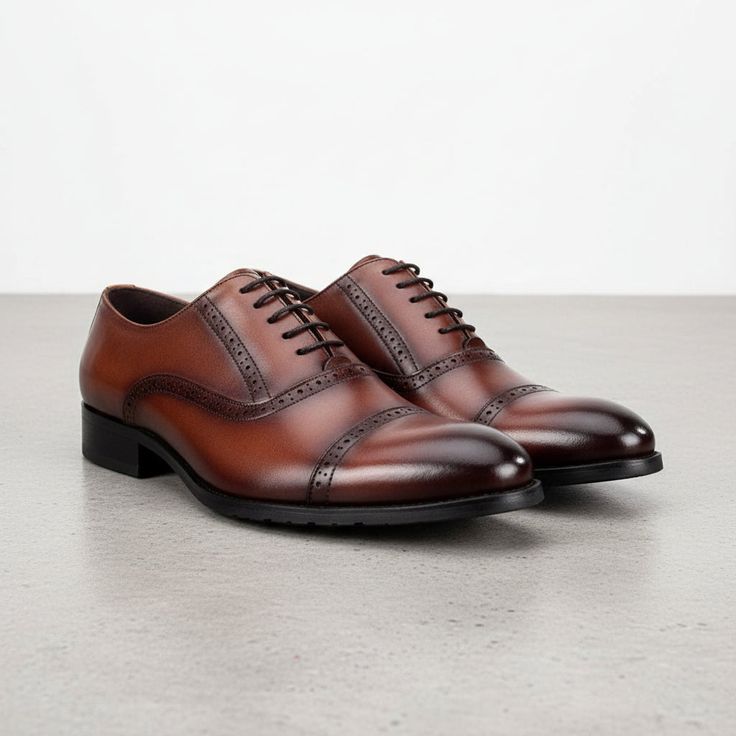
- Brogues are characterized by decorative perforations and wingtip detailing.
- Originally designed for outdoor use, they have evolved into stylish urban footwear.
- Brogues add visual interest and texture to otherwise simple outfits.
They work especially well with tailored trousers and layered looks.
4. Leather Loafers
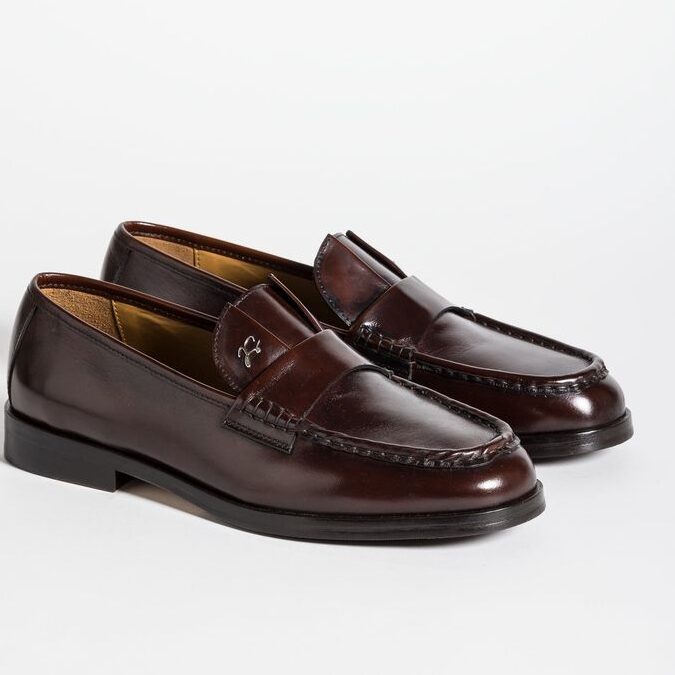
- Loafers are slip-on shoes that prioritize ease and comfort without sacrificing elegance.
- They come in various styles, including penny loafers and tassel loafers.
- Leather loafers are ideal for warm climates and relaxed professional environments.
A staple for effortless sophistication.
5. Monk Strap Shoes
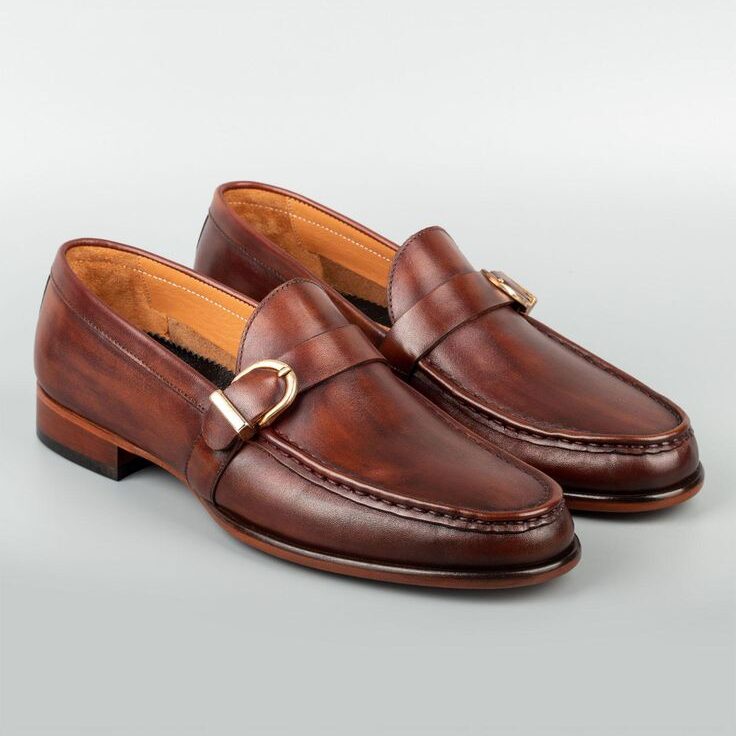
- Monk strap shoes replace laces with one or two buckle closures.
- Their clean design makes them both distinctive and understated.
- They are ideal for professionals seeking individuality within classic dressing norms.
A modern alternative to traditional dress shoes.
6. Chelsea Leather Boots
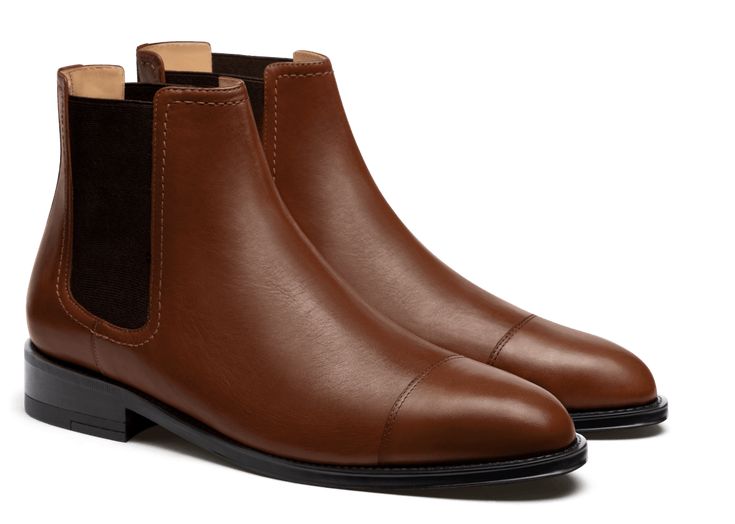
- Chelsea boots are ankle-length boots with elastic side panels for easy wear.
- Their minimal design makes them highly adaptable across seasons.
- They pair equally well with suits, denim, and layered winter outfits.
A timeless boot with contemporary appeal.
7. Chukka Boots
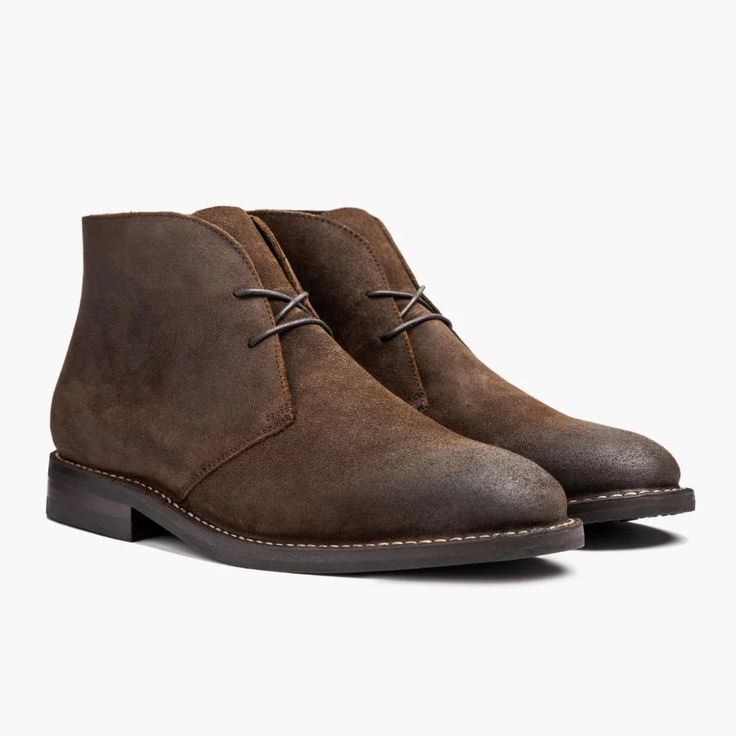
- Chukka boots are lightweight ankle boots with minimal eyelets and soft leather uppers.
- They offer a relaxed yet refined look suitable for everyday wear.
- Chukkas are especially popular for travel due to their comfort and versatility.
Perfect for smart casual wardrobes.
8. Leather Dress Boots
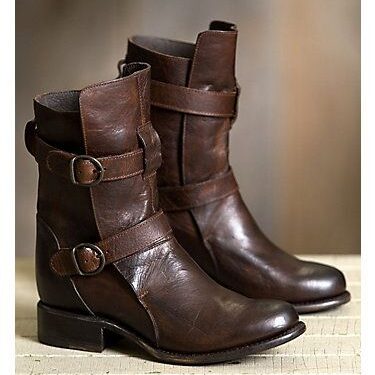
- Dress boots combine the structure of formal shoes with the coverage of boots.
- They are ideal for colder weather and transitional seasons.
- Dress boots add depth and dimension to formal and semi-formal outfits.
An elegant solution for winter dressing.
9. Driving Shoes
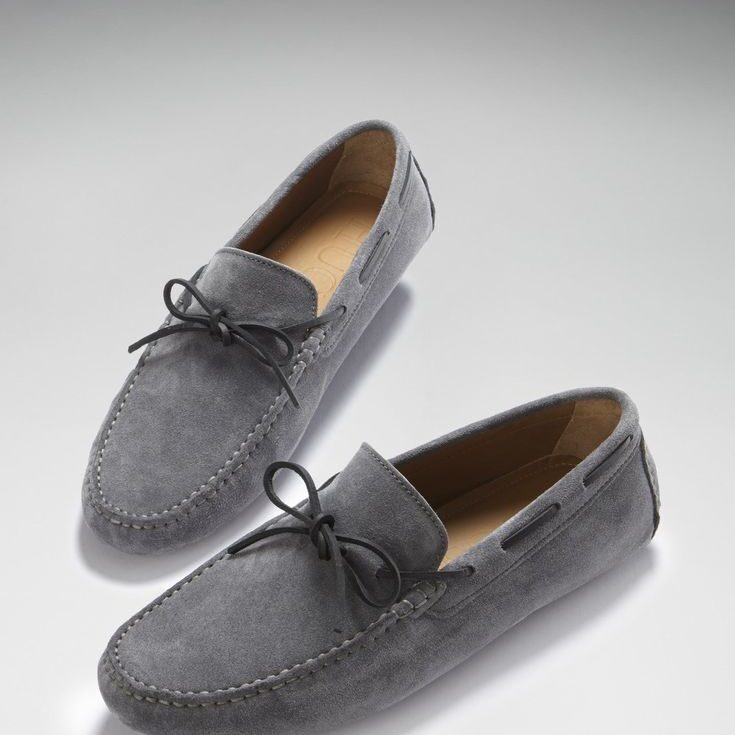
- Driving shoes feature flexible soles with rubber pebble grips for pedal control.
- They are lightweight, soft, and designed for maximum comfort.
- While casual in nature, quality leather elevates their appearance.
Best suited for relaxed, off-duty looks.
10. Leather Moccasins
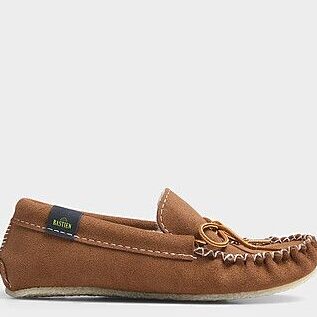
- Moccasins are constructed using a single piece of leather that wraps around the foot.
- This design offers unmatched comfort and flexibility.
- Often associated with heritage and craftsmanship, they remain culturally timeless.
Ideal for casual and traditional outfits.
Shoe Care: Preserving Quality and Longevity
Daily Maintenance
- Wiping shoes after each wear prevents dust and dirt from settling into the leather.
- Using shoe trees maintains shape and absorbs internal moisture.
- Rotating footwear allows leather time to rest and recover.
Consistency is key to longevity.
Cleaning and Conditioning
- Clean leather shoes with gentle products designed specifically for leather.
- Conditioning replenishes natural oils lost through wear.
- Regular care prevents cracking, stiffness, and discoloration.
Healthy leather lasts longer and looks better.
Storage Best Practices
- Store shoes in breathable bags rather than plastic containers.
- Avoid direct sunlight, which can dry and fade leather.
- Keep shoes away from damp environments to prevent mold.
Proper storage protects your investment.
Why Leather Shoes Never Lose Their Value
Leather shoes stand apart because they age with dignity, adapt to the wearer, and remain relevant regardless of changing fashion trends. With the right understanding of leather types, shoe styles, and care techniques, a thoughtfully chosen pair can last for years—sometimes decades.
Whether you gravitate toward classic Oxfords, versatile boots, or relaxed loafers, leather shoes offer unmatched versatility and sophistication. They are not just something you wear—they become a part of your everyday journey, improving with every step.
What makes leather shoes better than synthetic shoes?
Leather shoes outperform synthetic footwear in durability, comfort, and breathability. Natural leather allows air circulation, which reduces moisture buildup and keeps feet comfortable over long hours of wear. Unlike synthetic materials that tend to crack, peel, or lose shape, leather softens with use and molds to the foot, creating a personalized fit. Over time, leather develops a patina that enhances its appearance, whereas synthetic shoes often deteriorate visually and structurally.
2. How long do good-quality leather shoes last?
The lifespan of leather shoes depends on leather quality, construction, and care. Well-made leather shoes crafted from full-grain or top-grain leather can easily last 8–10 years or longer with proper maintenance. Regular cleaning, conditioning, resoling when necessary, and rotating between pairs significantly extend their life. Poor-quality leather or neglect, however, can drastically reduce durability regardless of brand or style.
3. How can you tell if leather shoes are high quality?
High-quality leather shoes typically have a firm yet flexible feel, even stitching, and a consistent finish without excessive coatings. Full-grain or top-grain leather will show natural pores and subtle variations rather than an overly plastic appearance. Quality shoes often feature stitched soles rather than glued ones, as stitching allows for repairs and resoling. Comfort improves with wear rather than deteriorating, which is another strong indicator of quality craftsmanship.
4. Are leather shoes comfortable for daily wear?
Yes, leather shoes are among the most comfortable options for daily wear when properly fitted. Leather adapts to the shape of your feet, providing natural cushioning and support over time. Breathable leather reduces sweat and odor, making it suitable for long workdays. However, comfort also depends on choosing the right shoe style, sole construction, and fit for your foot type and daily activities.
5. Which leather shoe styles are most versatile?
Derby shoes, leather loafers, and Chelsea boots are among the most versatile leather shoe styles. Derby shoes transition seamlessly from formal office wear to smart casual outfits. Loafers work well with everything from tailored trousers to casual denim. Chelsea boots can be styled with suits, chinos, and even winter layering, making them suitable across seasons and dress codes.
