


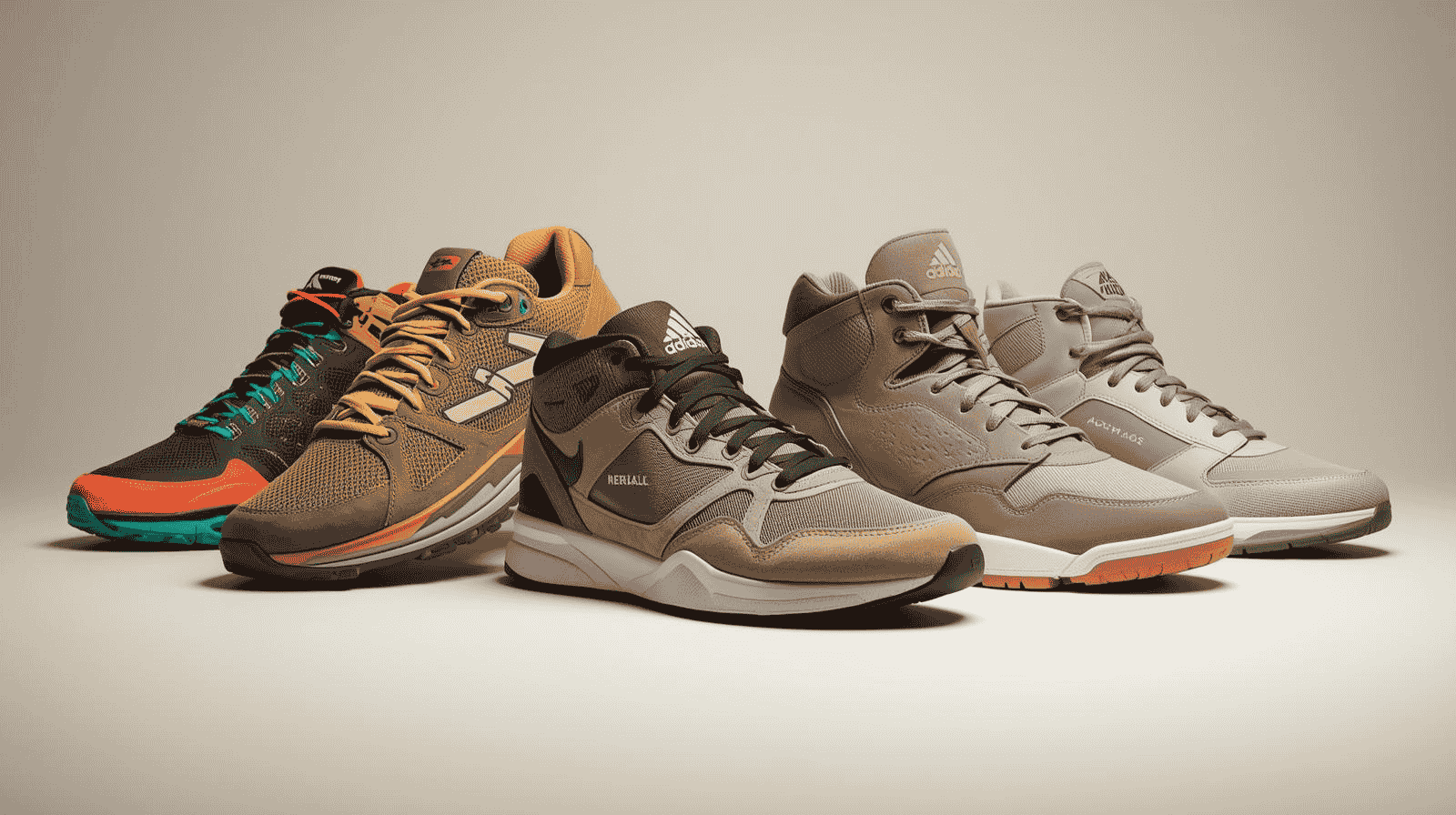
If you’re gearing up for your fitness journey or finally leveling up your workout game, here’s something worth knowing: not all sports shoes are created equal. The right pair doesn’t just support your feet; it transforms your performance. Runs feel lighter, workouts feel smoother, and every move feels more controlled. If you want comfort, style, and better results, you need the right shoes for the right activity. Let’s break down the types of sports shoes that actually matter and help you pick the perfect pair for your routine. Your best workout starts from the ground up.
Introduction to Athletic Shoes
Think of athletic shoes as your most loyal workout partners. They’re built to support the way you move, whether you’re pounding the pavement on an early morning run, pushing through leg day at the gym, or sprinting after a ball on the court. Sure, they look stylish and come in every imaginable color, but their real purpose goes far beyond aesthetics. Good athletic shoes protect your feet, reduce impact on your joints, and help you move with more power and control. Once you experience the difference the right pair makes, you won’t just wear them—you’ll rely on them.
5 Types of Sports Shoes
Sports shoes aren’t one-size-fits-all. Each type is designed to support a specific movement pattern, which means choosing the right one can instantly improve comfort and performance.
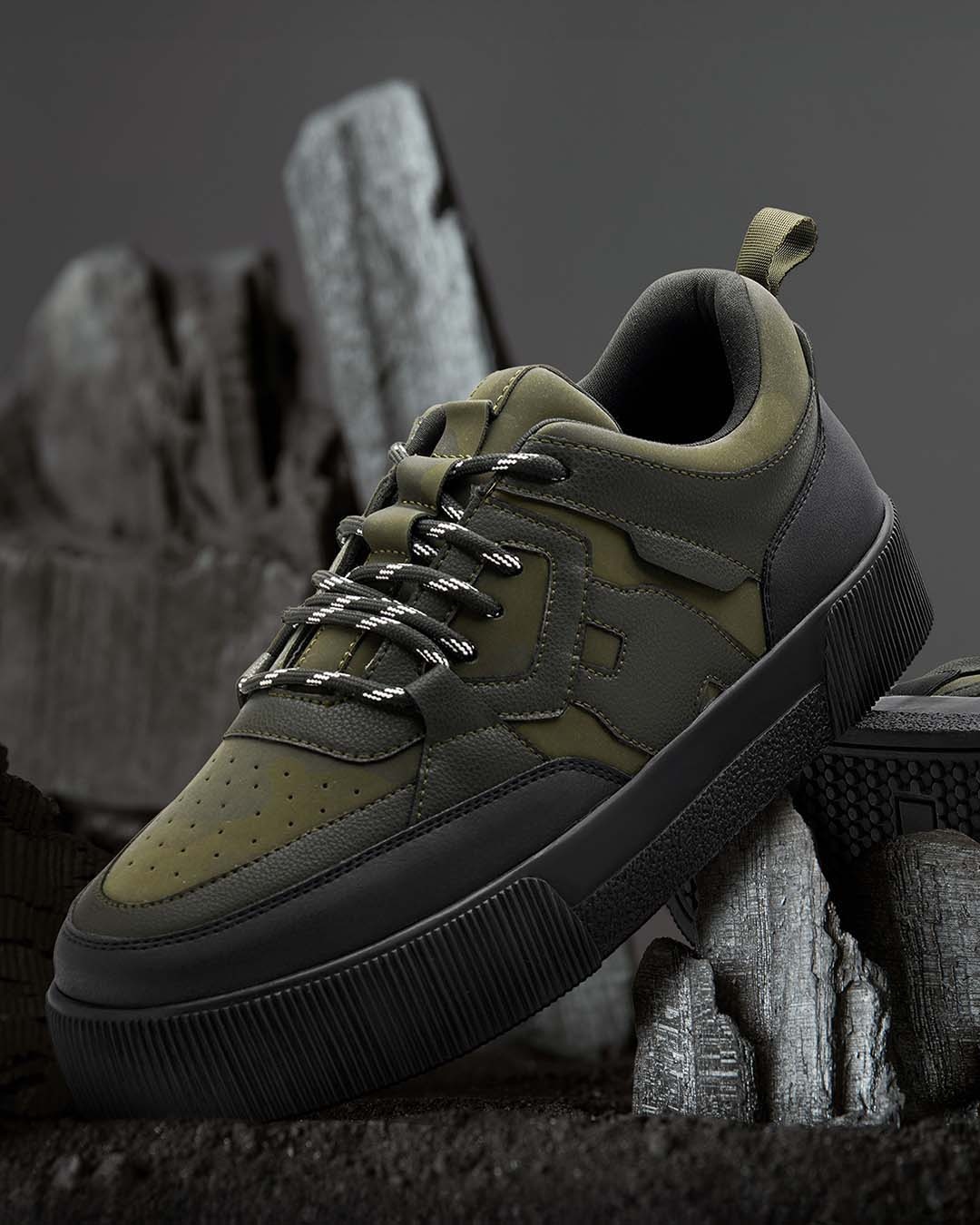
1. Running Shoes
Designed for forward motion, running shoes come packed with cushioning and shock absorption to reduce the impact of every stride. Whether you’re jogging around your neighborhood or training for a marathon, the right running shoe protects your knees and ankles while helping you stay light and energetic on your feet.
2. Training Shoes
Think of these as your all-round gym partners. Training shoes provide stability for weightlifting, flexibility for movements like lunges and jumps, and support for side-to-side motions common in HIIT workouts. If squats, burpees, and box jumps are part of your routine, training shoes will help you perform them with confidence.
3. Walking Shoes
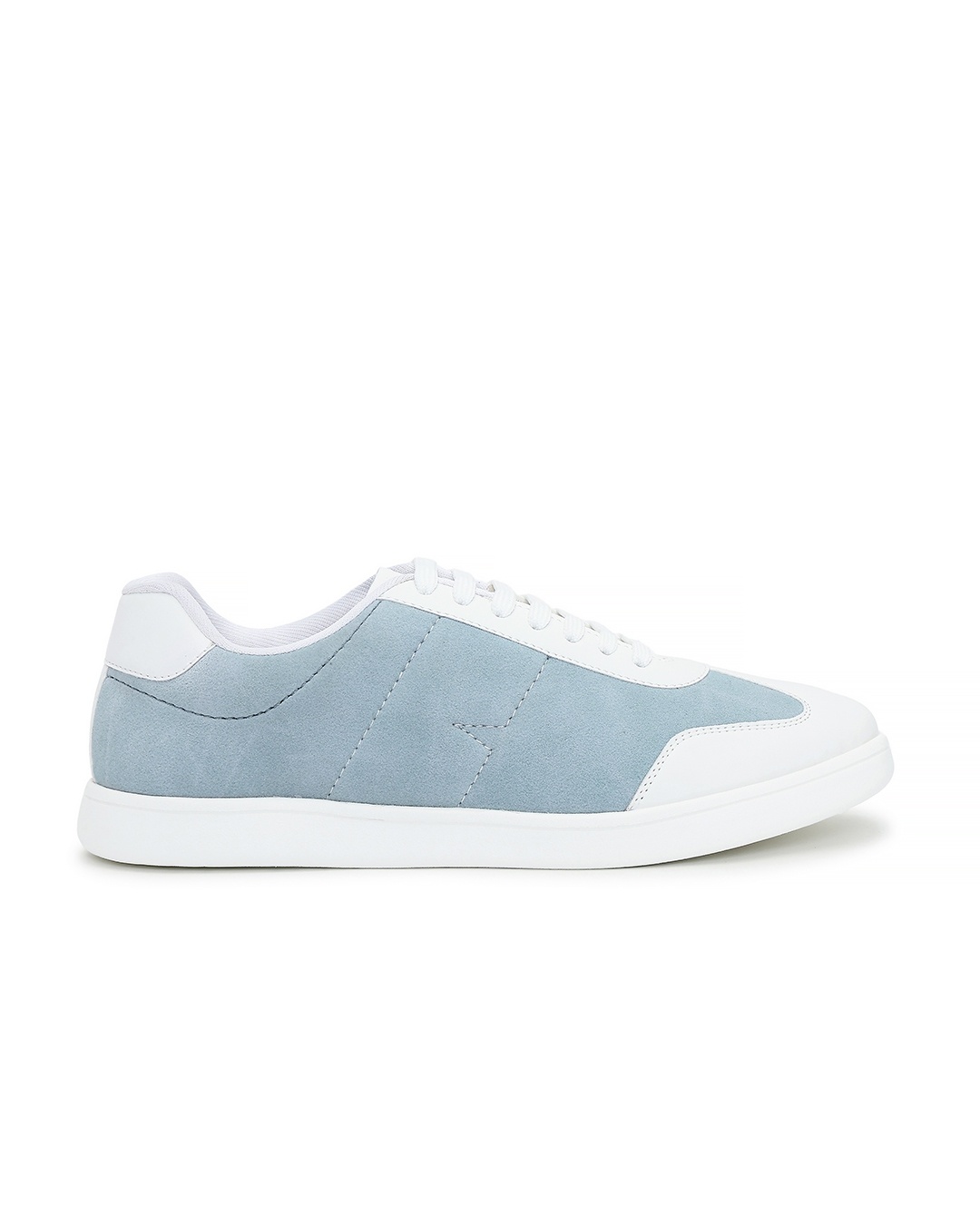
Walking shoes are often overlooked, but they shouldn’t be. Perfect for anyone who spends long hours on their feet, these shoes are lightweight and cushioned to reduce fatigue. They deliver a soft, smooth step that makes everyday movement easier and more enjoyable.
4. Court Shoes
If your sport involves a court such as tennis, badminton, volleyball, or basketball, court shoes are essential. They are built to handle quick stops, sudden pivots, and rapid lateral movements. Their grip, ankle support, and durable soles help you stay steady and agile during fast-paced action.
5. Soccer / Football Shoes
Easy to recognize by their studs or cleats, football shoes are made for grass and turf fields. They offer superior traction, allowing you to sprint, turn, and stop without slipping. These shoes enhance control and speed, making them indispensable for outdoor field sports.
How to Choose Sports Shoes
Before you buy the flashiest pair on the shelf, take a second to think practically. Sports shoes are tools, and different tools serve different purposes.
Ask yourself:
What will I use them for?
Running, gym training, cycling, or weekend football?
How do they fit?
Your heels shouldn’t slip. Your toes should have room. Comfort is non-negotiable.
Where will I wear them?
Road running shoes won’t survive the turf, and football boots are ridiculous on concrete.
What’s my foot type?
Flat feet need stability. High arches need cushioning. Neutral feet need balance.
Ignoring these basics leads to blisters, pain, and regret—and yes, your body will complain until you do something about it.
Features of Sports Shoes
A good sports shoe should check some important boxes:
- Soft cushioning that absorbs impact and protects your joints
- Fabrics designed to circulate air and prevent moisture build-up while you train
- Strong arch support to prevent fatigue and bad posture
- Excellent grip so you don’t slip mid-rep or mid-sprint
- Flexibility that lets your feet move naturally
- Durability so your shoes don’t fall apart after a few workouts
Conclusion
Sports shoes may not get the same attention as fancy outfits or high-tech gym gear, but trust this: they’re the quiet MVPs of your fitness journey. The right pair makes movement feel effortless, boosts your confidence, and keeps your body protected. Whether you’re running laps, lifting heavy, or walking miles, there’s a perfect shoe out there waiting to make the experience better.
Don’t stress about it, just match your shoe to your activity, make sure it feels good, and hit the ground running. Your workouts, your feet, and your future self will absolutely thank you.
