


Women’s formal wear outfits have come a long way from the rigid blazer-and-pencil-skirt formula that used to define office dressing. Modern workplaces have loosened up, dress codes have evolved, and what counts as formal today looks very different from what it did a decade ago. But that also means there’s more room to get it wrong, especially when you’re unsure where the line is between professional and too casual.
The good news is that dressing well for work doesn’t have to feel like a compromise. The right formal outfit can be comfortable, personal, and polished all at once. This guide covers the styles worth building your work wardrobe around, with practical advice on colours, fabrics, fit, and how to dress for different occasions.
What Actually Counts as Formal Wear for Women
Not all formal wear is the same. Business formal is the strictest: tailored trousers, structured blazers, formal dresses, closed-toe heels, nothing that reads as casual. Business casual, where most modern offices sit, allows more flexibility: well-fitted trousers, neat tops, co-ord sets, formal kurtis, and clean footwear. Smart casual goes one step further and allows structured denim and relaxed blazers as long as the overall look feels intentional.
The best way to read your workplace dress code is to look at what senior women in your office wear on regular days, not just on important meeting days. That tells you the actual standard far better than any HR document.
Types of Women’s Formal Wear Outfits
Formal Trousers and Shirt
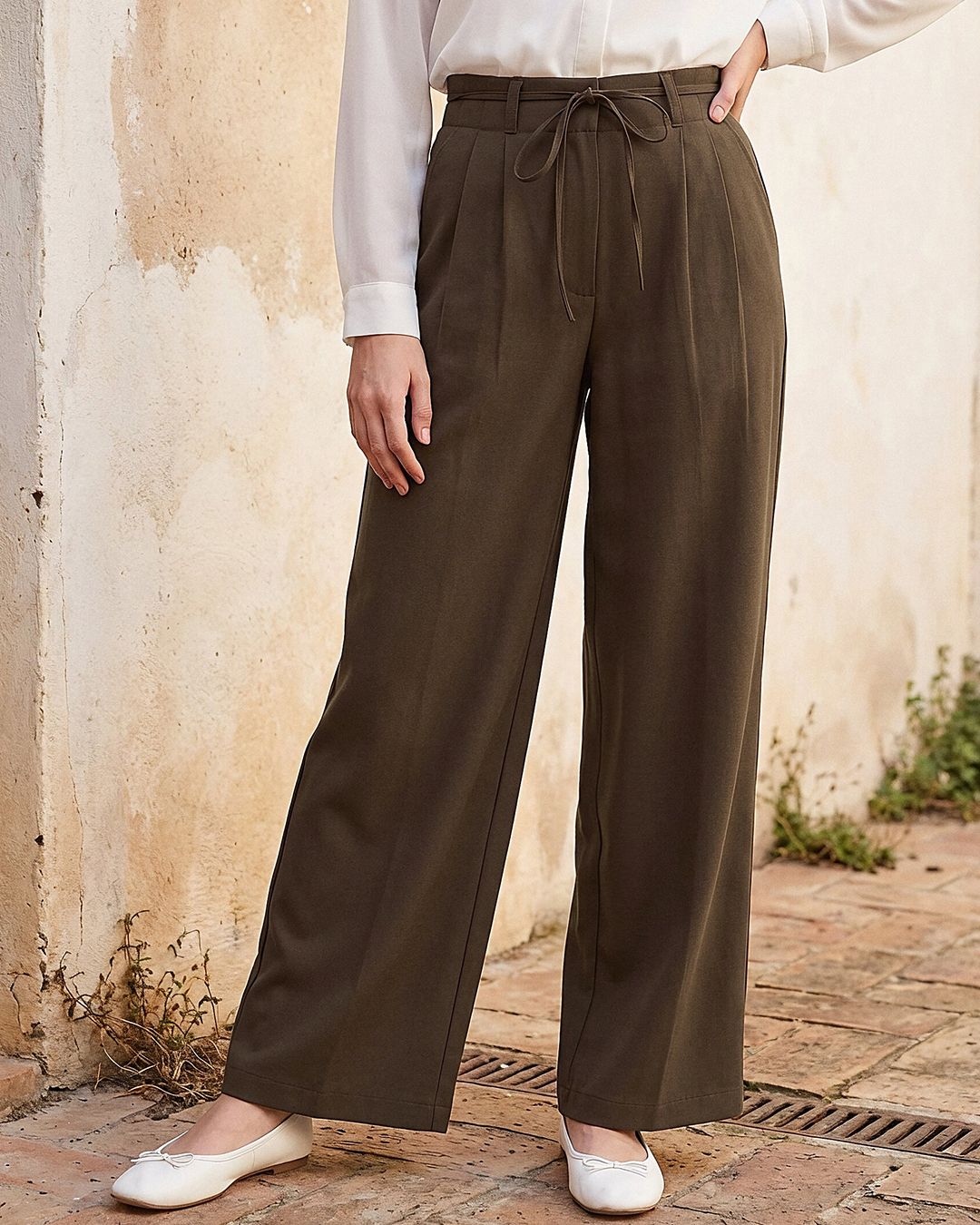
The most reliable women’s formal wear combination. A well-fitted pair of formal trousers with a structured shirt covers almost every office situation. Stick to neutral colours and you can rotate the same trousers across different shirts through the week. It’s the formal equivalent of a capsule wardrobe and it works every single time.
Blazer and Straight Pants
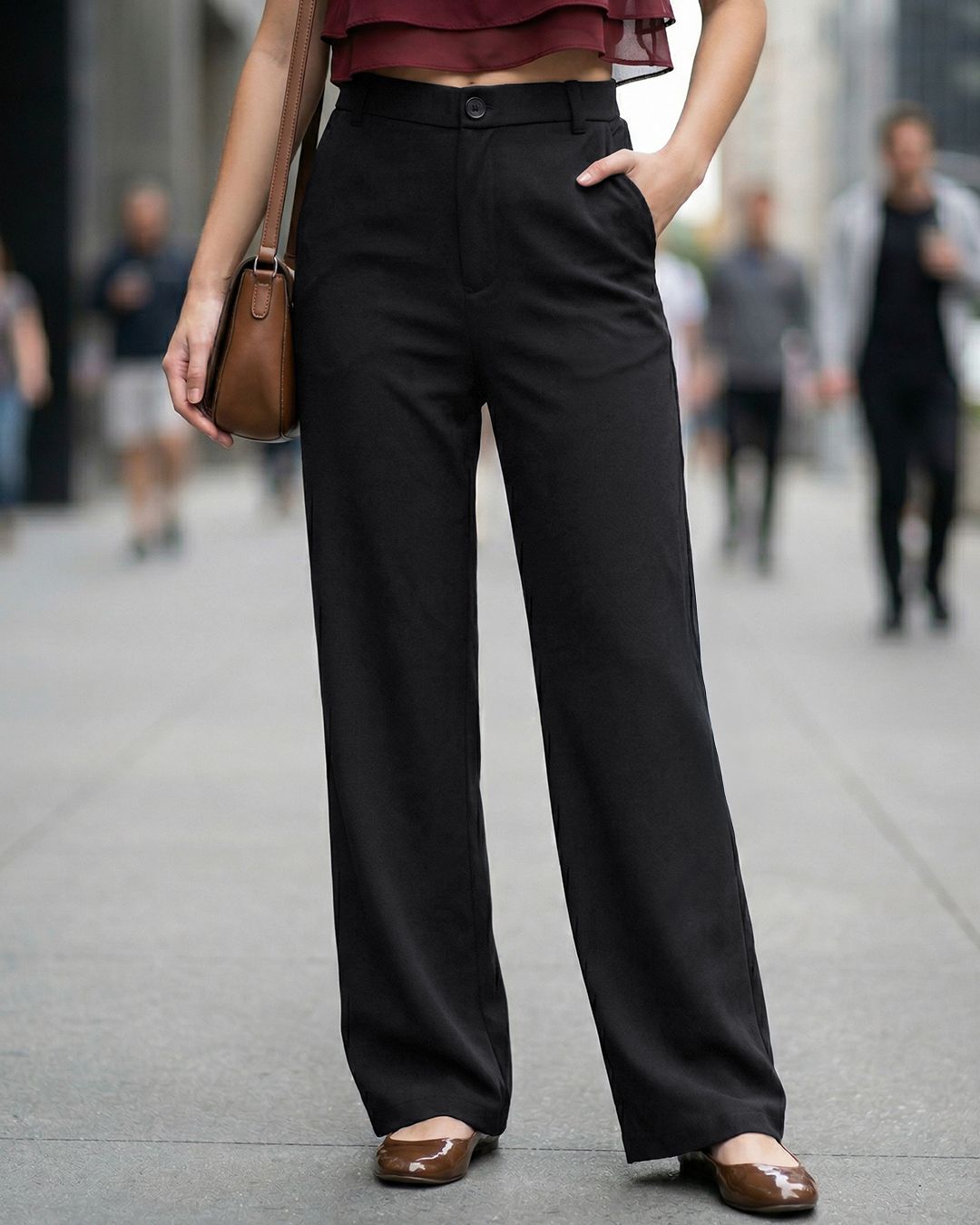
A blazer immediately elevates whatever you wear it with. Pair it with straight-cut formal pants and you have one of the sharpest women’s work outfits without much effort. Fit is everything here: a blazer that pulls across the shoulders or doesn’t sit right at the waist undoes the whole look. Get it tailored if needed because a well-fitted blazer makes everything underneath look more intentional.
Formal Midi Dress

A structured midi dress removes the need to coordinate separates. Choose one in a solid colour, make sure it hits below the knee, and pair it with block heels or pointed flats. It looks polished with minimal effort and works for office days, client meetings, and work events without needing much styling beyond the dress itself.
Co-ord Sets
Matching co-ord sets look intentional and put-together without requiring you to mix and match. A structured top and trouser set in the same fabric reads as professional and stylish at the same time. Stick to solid colours or minimal prints and avoid loud patterns or very casual fabrics. A good co-ord set carries you through an entire workday looking consistently neat.
Kurti with Palazzo or Trousers
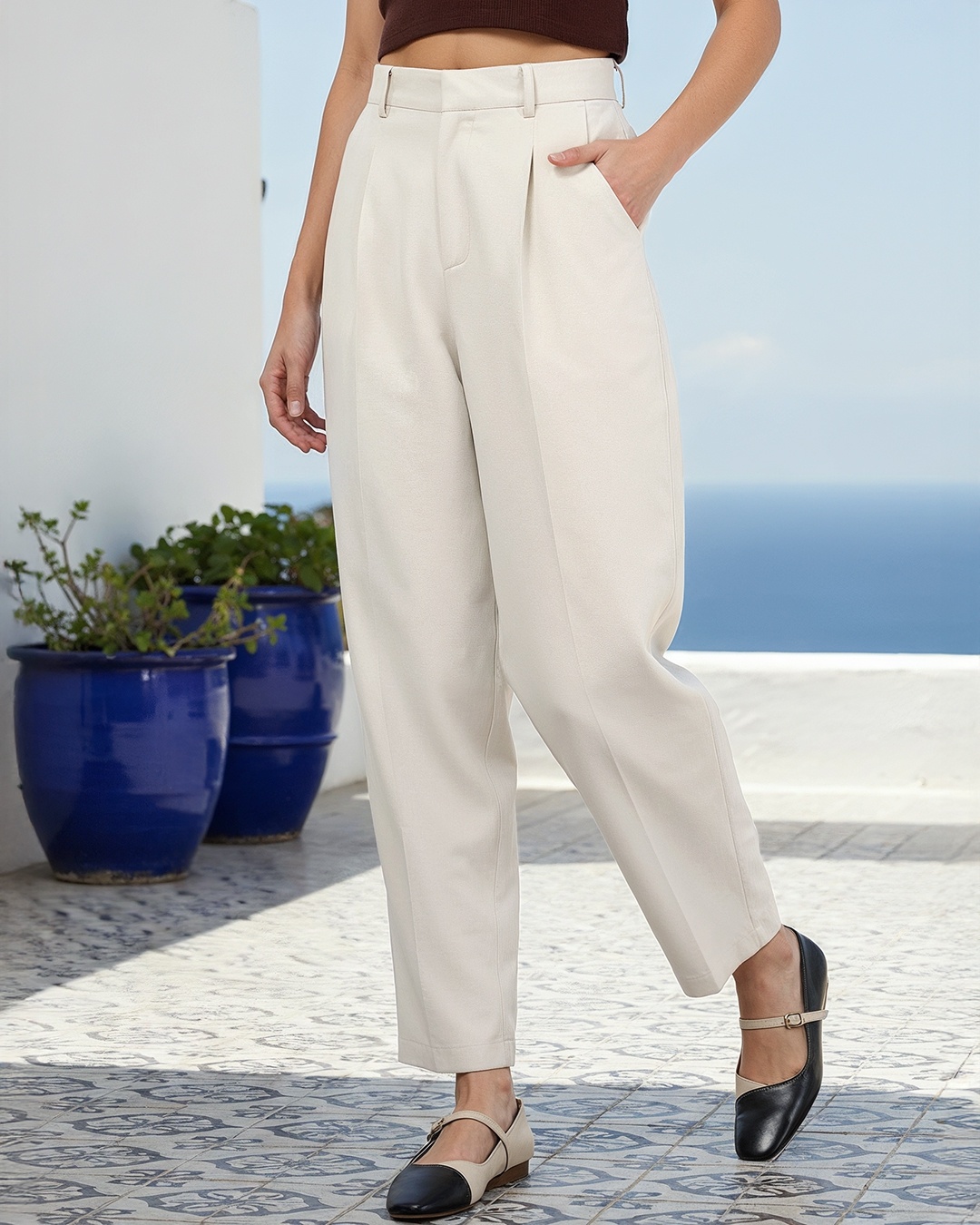
Indian ethnic formal wear is completely valid in most office environments and often more comfortable than western formal options. A long straight kurti with formal trousers or a wide-leg palazzo gives a polished look that works across industries. Stick to solid colours or subtle prints, pair with block heels or formal flats, and the outfit reads as professional without looking overdressed.
Formal Skirt and Top
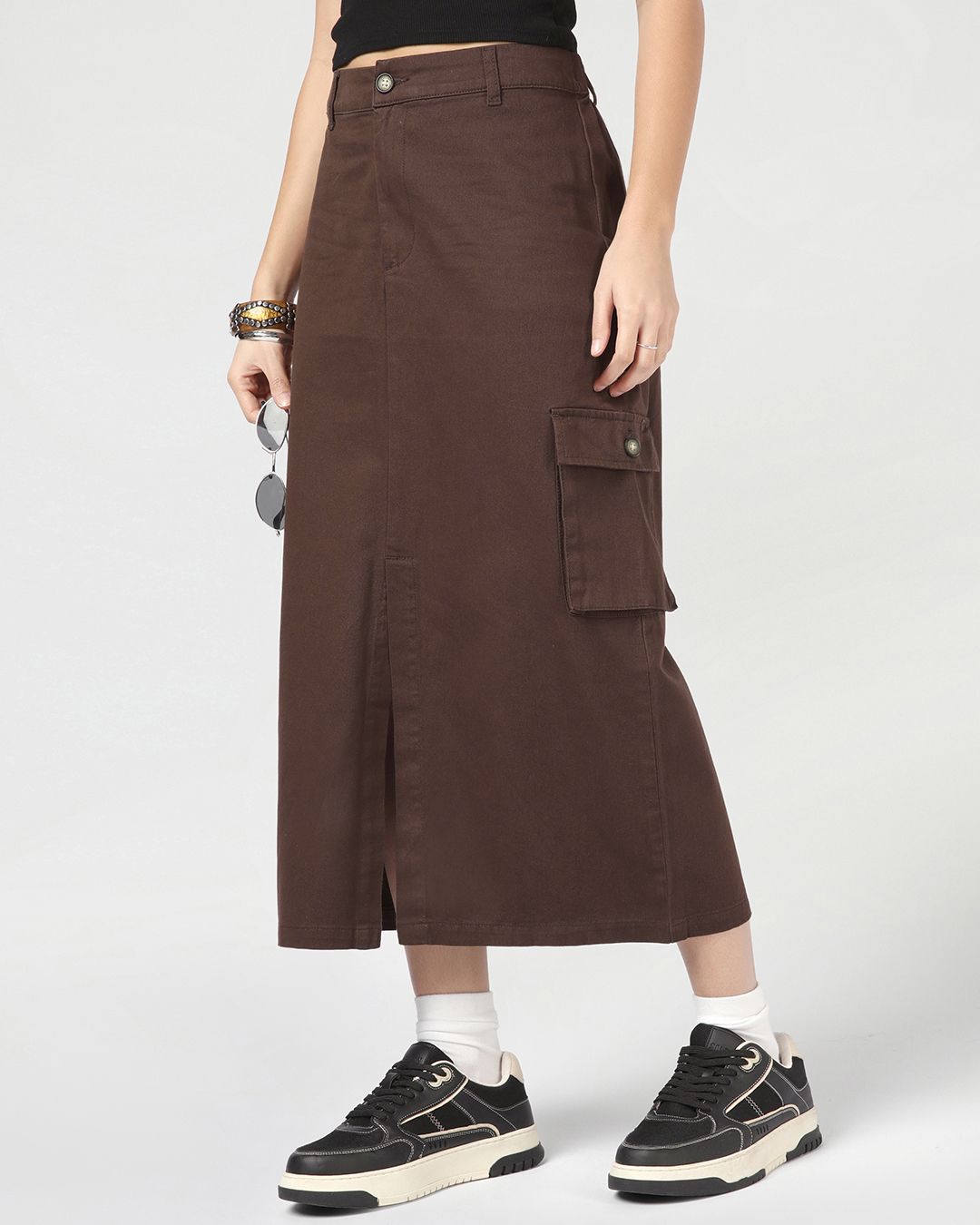
A structured skirt with a neatly tucked blouse is a classic combination that hasn’t aged. A pencil skirt gives a sharper corporate look while an A-line is slightly more relaxed. Midi length is the safest choice for most offices and works with both heels and formal flats depending on the occasion.
Colours and Fabrics Worth Knowing
Neutrals are the backbone of any formal wardrobe. Black, navy, grey, white, and beige work across every dress code and combine endlessly without clashing. Once you have these covered, you can add colour through one statement piece like a deep burgundy blazer or a forest green dress without the outfit losing its professional feel. Avoid neons or heavy prints in strictly formal environments.
For fabric, cotton blends are the most practical for daily office wear: breathable, structured, and easy to maintain. Polyester blends are wrinkle-resistant and hold up well through long days. Crepe and viscose have a smooth formal finish and drape well, making them a natural fit for dresses and formal tops. Linen works for summer but only in workplaces with a relaxed dress code since it creases easily.
Fit, Footwear and Styling Tips
Fit is the single most important factor in formal dressing. A well-fitted basic outfit will always look better than an expensive outfit that doesn’t sit right. Trousers should sit at the waist without pulling, blazers should close comfortably, and dresses should allow you to sit and move without constant adjusting. If something fits well in one area but not another, get it altered rather than settling.
Block heels and pointed flats are the most practical formal footwear options: comfortable enough for long days and polished enough for most settings. Formal sneakers in white or nude are acceptable in business casual environments. For accessories, a structured bag, minimal jewellery, and a clean watch are enough for most formal settings. The goal is to look composed, not decorated.
How to Dress for Different Work Occasions
For regular office days, prioritise comfort without compromising on structure. You’ll be in these clothes for eight or more hours so fabric and fit matter as much as how the outfit looks. For job interviews, lean slightly more conservative than you think you need to. Avoid experimenting with new combinations; a neutral well-fitted outfit signals you take the setting seriously. For client meetings, one step above your regular office outfit is usually the right call: add a blazer, swap flats for heels, or choose a more structured bag. For office events, use the same formal base and add personality through accessories or a bolder colour without changing the outfit entirely.
Frequently Asked Questions
What is the best outfit for women’s office wear?
Formal trousers with a structured shirt or a blazer and straight pants are the most reliable options. They work across most office dress codes, are easy to style, and look consistently professional without requiring much effort to put together each morning.
Can I wear a co-ord set to the office?
Yes, a structured co-ord set in a solid colour or subtle print works for most business casual environments. Avoid very casual fabrics or loud patterns. A matching set in crepe or a cotton blend reads as intentional and polished in most modern workplaces.
What colours are best for women’s formal wear outfits?
Black, navy, grey, white, and beige are the safest and most versatile. These neutrals work across every dress code and combine easily. Once your base wardrobe is covered, add depth through accessories or one bold colour piece without losing the formal feel.
How do I dress formally without looking boring?
Focus on fit first since a well-fitted basic outfit always looks better than a loose one. Then add personality through one element: a bold blazer, structured earrings, or an interesting shoe. Keep everything else neutral and let that one detail carry the look.
What shoes go best with formal outfits for women?
Block heels and pointed flats are the most practical for daily office wear. They pair well with trousers, dresses, and skirts and are comfortable enough for long days. Formal sneakers work in business casual environments when comfort is the priority over formality.
